
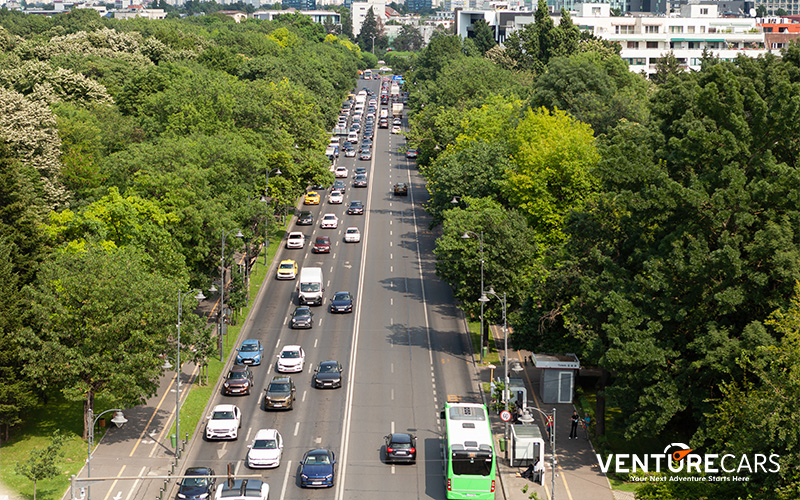
Best Car for PHV in Singapore: Suitable Models for Stop-and-Go Traffic in CBD
Key Takeaways
- The best car for PHV in Singapore prioritises fuel efficiency, smooth driving, and low wear under constant stop-and-go conditions
- Hybrid vehicles perform well in stop-and-go traffic, reducing fuel consumption and brake wear through regenerative systems
- Compact yet practical cars make navigating Singapore’s CBD traffic and tight carparks significantly easier
- Driver comfort features such as light steering and smooth transmissions reduce fatigue during long shifts
- Choosing the right vehicle from a trusted car showroom in Singapore helps align costs, reliability, and long-term earnings
Understanding Private Hire Vehicle (PHV) Driving in Singapore
Private Hire Vehicle (PHV) drivers are individuals who provide ride-hailing services through platforms such as Grab, Gojek, and other app-based operators. Unlike traditional taxi drivers, PHV drivers use privately registered vehicles that meet regulatory requirements set by the Land Transport Authority.
In practice, PHV driving involves accepting bookings through a mobile app, transporting passengers across varying distances, and operating across different parts of Singapore throughout the day. This makes vehicle choice especially important, as drivers rely on their cars not just for mobility, but as a core part of their daily income.
Driving as a PHV operator in Singapore’s CBD presents a specific set of challenges. Orchard Road congestion, Marina Bay traffic lights, short-distance bookings and frequent idling all affect fuel consumption, brake wear and driver fatigue.
Why Stop-Start Driving Matters for PHV Cars
Driving as a PHV operator in Singapore’s CBD presents a specific set of challenges. Orchard Road congestion, Marina Bay traffic lights, short-distance bookings and frequent idling all affect fuel consumption, brake wear and driver fatigue. With ERP charges adding to operating costs during peak entry periods, efficiency becomes even more critical for daily profitability.
The best car for PHV in these conditions is not necessarily the most powerful or spacious. It is the one that balances fuel efficiency, low maintenance requirements, passenger comfort and operational reliability in heavy stop-and-go traffic.
This makes stop-start performance a critical factor, especially during peak hour driving in Singapore, where inefficiencies quickly translate into higher operating costs.
Below are key features that matter most for CBD driving, with suitable model examples for each category.
Hybrid Efficiency for Stop-Start Fuel Savings
Heavy traffic is where hybrid systems perform best. Regenerative braking recovers energy during deceleration, and the electric motor reduces fuel use at low speeds.
This is particularly useful for PHV drivers handling:
- Short urban trips
- CBD congestion
- ERP-heavy peak periods
Suitable Models
- Toyota Corolla Altis Hybrid — Reliable hybrid system with proven fuel efficiency
- Honda Vezel Hybrid — Compact and economical, optimised for city manoeuvring
- Hyundai Ioniq Hybrid — Designed for low urban fuel consumption
Hybrid savings become more pronounced with higher daily mileage, making them a strong contender for the best car for PHV in city-focused operations.
Smooth Transmission and Light Steering for Urban Comfort
In dense CBD traffic, constant gear changes and steering adjustments can increase fatigue. Automatic CVT transmissions and responsive steering improve comfort during long operating hours.
Suitable Models
- Toyota Prius — Known for smooth acceleration and city-friendly handling
- Nissan Sylphy — Comfortable ride with light steering feel
- Mazda 3 — Balanced steering and stable braking response
Reduced driver fatigue translates into greater consistency throughout long shifts, especially during extended periods of slow traffic.
Compact Exterior, Practical Interior Space
CBD driving requires frequent lane changes, tight carpark entries, and narrow-road navigation. A compact exterior footprint with sufficient passenger space offers the best compromise.
Suitable Models
- Toyota Corolla Cross — Higher seating position with manageable size
- Kia Cerato — Spacious cabin without excessive length
- BYD Atto 3 — Compact electric option suitable for city trips
Ease of parking and manoeuvrability are critical during back-to-back bookings within Singapore’s CBD traffic zones.
For drivers handling group bookings or airport transfers, a 7-seater car in Singapore may be worth considering, though it comes with trade-offs in fuel consumption and manoeuvrability.
Durable Braking Systems and Low Maintenance Wear
Frequent braking accelerates wear on pads and discs. Choosing models known for durability reduces downtime and servicing costs.
Hybrid vehicles also reduce brake wear through regenerative braking, which lessens reliance on mechanical braking.
Suitable Models
- Toyota Corolla Altis — Proven reliability in PHV fleets
- Honda City — Economical servicing and parts availability
- Toyota Noah — Suitable for drivers handling larger passenger loads
Operational reliability is central to maintaining daily earnings, especially under repeated peak-hour driving conditions.
Driver-Assist Features for Urban Safety
PHV drivers operate for extended hours. Blind-spot monitoring, rear cameras, and adaptive cruise control add practical safety advantages in heavy traffic.
These features help reduce:
- Minor collision risks
- Insurance claims
- Fatigue-related errors
Suitable Models
- Toyota Camry Hybrid — Equipped with comprehensive driver-assist systems
- Hyundai Avante — Modern safety suite at competitive pricing
- MG ZS EV — Electric option with updated safety features
Urban safety technology supports long-term operational sustainability, particularly in unpredictable traffic conditions.
A Simple Checklist: Is This the Right PHV Car for You?
Before committing to a vehicle, it helps to run through a quick personal checklist. This ensures your choice aligns with your daily driving conditions, income goals, and long-term sustainability.
Use this as a practical reference when evaluating whether a model truly fits your needs as a PHV driver:
☐ Fuel-efficient under frequent stop-and-go conditions
☐ Smooth automatic transmission for reduced driving fatigue
☐ Light steering and easy handling on tight CBD roads
☐ Comfortable seating for long hours behind the wheel
☐ Sufficient rear passenger space for daily bookings
☐ Compact enough for parking in CBD carparks and narrow streets
☐ Proven reliability with widely available servicing and parts
☐ Low maintenance wear, especially for brakes and tyres
☐ Equipped with essential driver-assist safety features
☐ Matches your expected daily mileage and operating hours
If most of these boxes are ticked, the vehicle is likely a strong candidate for the best car for PHV based on your specific driving pattern.
Is Driving PHV in the CBD Practical for Daily Operations?
Ultimately, working within the CBD can be appealing due to the high concentration of bookings, but whether it is practical depends on how well your vehicle and driving strategy align with the environment.
On one hand, areas like Orchard, Raffles Place, and Marina Bay offer consistent demand throughout the day. Short trips mean less time waiting between jobs, and during certain periods, this can translate into a steady flow of fares.
On the other hand, these same conditions shape how efficiently you can operate. Time spent between pick-ups may be short, but journeys themselves can take longer due to traffic lights, congestion, and routing constraints.
From a practical standpoint, CBD-focused driving tends to work best when:
- Your vehicle remains efficient even with frequent stopping and idling
- You are comfortable handling multiple short trips rather than fewer long-distance fares
- Your operating hours align with periods of higher demand
- Your vehicle is easy to manoeuvre and park within tight urban spaces
For some drivers, this environment supports a consistent routine. For others, it may feel less efficient compared to routes that include longer highway stretches.
The right vehicle plays a key role in whether CBD driving feels sustainable. It allows you to make the most of frequent bookings while keeping running costs and fatigue manageable over time.
Choosing the best car for PHV becomes much clearer when you work with a trusted parallel importer who understands how different models perform under real-world driving conditions.
Structuring the Right PHV Vehicle Purchase With Venture Cars
At Venture Cars, we support PHV drivers in evaluating suitable hybrid, petrol, and electric cars, including larger-capacity models like an MPV option in Singapore, based on real driving patterns. Instead of focusing solely on headline specifications, we help you assess how each model performs under real-world conditions, such as short trips, frequent stops, and extended operating hours.
Our team provides clear, side-by-side comparisons across vehicle types, highlighting practical considerations such as fuel efficiency in urban driving, maintenance expectations, and long-term ownership costs. This allows you to make decisions with a full view of both upfront and ongoing commitments.
We also offer flexible financing structures tailored to PHV drivers, helping you balance monthly repayments with projected earnings. Whether you are entering the industry or upgrading your current vehicle, our approach is centred on sustainability rather than short-term convenience.
Beyond the purchase, we provide guidance on vehicle suitability, ownership requirements, and what to expect throughout your driving journey. This ensures you are not just choosing a car, but selecting a setup that can support consistent operations over time.
If you are planning to start or upgrade your PHV vehicle for CBD operations, speak to our team to explore practical options tailored to Singapore’s urban driving conditions.
