
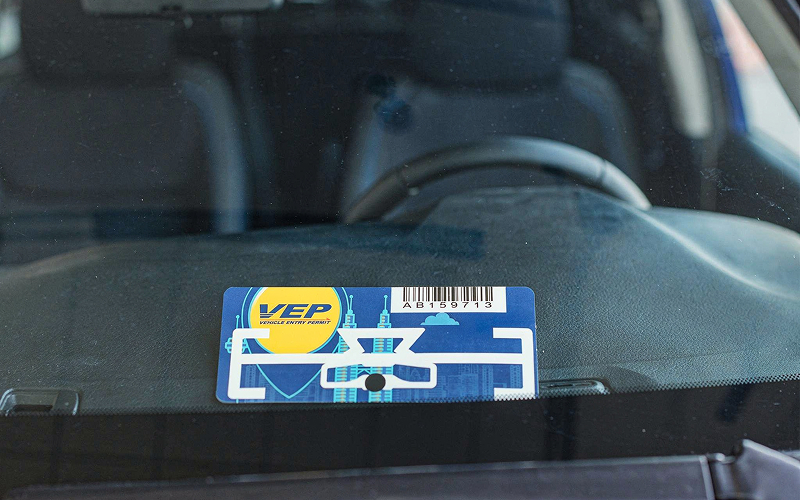
Malaysia Vehicle Entry Permit: What Happens If You Do Not Register?
Key Takeaways
- The Malaysian vehicle entry permit is mandatory for Singapore-registered vehicles entering Malaysia.
- Failure to comply can result in a VEP non-compliance penalty of up to RM300.
- Non-registration may lead to delays, denied entry, or blacklisting.
- Administrative oversights can disrupt travel plans and increase overall costs.
- Preparing your documents in advance ensures smoother and more predictable cross-border journeys.
What Is the Malaysia Vehicle Entry Permit and Why It Matters
For many Singapore drivers, travelling into Johor for petrol, food, or short getaways is part of everyday life. However, cross-border driving now comes with stricter regulatory requirements, including the Malaysia vehicle entry permit.
Whether you are driving a hatchback, SUV or an MPV in Singapore, all foreign-registered vehicles must be registered under the Malaysia vehicle entry permit if they plan on crossing the border.
The VEP is a mandatory registration system for foreign-registered vehicles entering Malaysia. It requires drivers to register their vehicle details and install an RFID tag for identification and tracking purposes. This system allows Malaysian authorities to manage traffic, enforce road regulations, and ensure accountability for foreign vehicles.
While it may seem administrative, the VEP is not optional. It is actively enforced, and failing to comply can result in immediate consequences at the checkpoint.
Immediate Risk of Fines at Malaysian Checkpoints
Under enforcement by Malaysia’s Road Transport Department (JPJ), Singapore-registered vehicles entering without a valid VEP may face a compound fine in Malaysia of up to RM300.
Beyond the financial penalty, drivers may be stopped for verification. In some cases, vehicles may even be prevented from leaving Malaysia if outstanding VEP-related fines or penalties have not been settled. This can lead to significant delays at Woodlands or Tuas checkpoints, especially during peak hours or holiday periods when traffic is already heavy.
For regular travellers, even a short delay can disrupt tightly planned itineraries.
How to Avoid It
- Complete VEP registration in advance via the official portal
- Ensure your RFID tag is properly installed and activated
- Check approval status before planning your trip
Possible Denial of Entry or Travel Disruption
In some cases, non-compliant vehicles may not be allowed to proceed into Malaysia. Drivers may be required to turn back or resolve registration issues before reattempting entry.
This creates unnecessary inconvenience, particularly for those travelling with family or on time-sensitive plans. A simple oversight can quickly escalate into a full travel disruption.
How to Avoid It
- Verify that your VEP status is active before departure
- Avoid assuming past entries guarantee ongoing compliance
- Double-check that the submitted vehicle details are accurate
Risk of Vehicle Blacklisting
Repeated failure to comply with VEP requirements may result in your vehicle being flagged or blacklisted by Malaysian authorities. This can restrict future entry until outstanding issues are resolved.
Blacklisting turns a minor administrative lapse into a longer-term problem. It may affect not just leisure trips but also urgent or essential travel across the border.
How to Avoid It
- Settle any outstanding fines promptly
- Monitor updates on VEP enforcement requirements
- Keep your registration details updated if there are changes to your vehicle
Financial Implications Beyond the Fine
While the RM300 penalty is the most visible consequence, the actual cost of a cross-border driving offence can extend further.
Additional implications may include:
- Time lost due to inspections or administrative delays
- Costs associated with rectifying registration issues
- Disruption to bookings, appointments, or travel plans
- Potential complications with insurance coverage
In situations where documentation is incomplete, insurance claims during cross-border incidents may also become more complex.
How to Avoid It
- Ensure your insurance policy covers cross-border travel
- Keep road tax and inspection records up to date
- Treat VEP registration as part of your standard pre-trip checklist
Why Compliance Is Part of Responsible Cross-Border Driving
Cross-border driving today requires more than just a valid licence and vehicle. The Malaysian entry permit is part of a broader system designed to regulate foreign vehicles and maintain road safety.
For Singapore motorists, staying compliant is a practical way to avoid unnecessary stress and ensure smoother journeys. Administrative preparation may take a bit of time upfront, but it prevents far greater inconvenience later.
Is the Malaysia Vehicle Entry Permit Categorised by Vehicle Class?
A common question among drivers is whether the entry permit differs based on vehicle type, size, or category. In practice, the VEP system is not structured around passenger vehicle classes in the way road tax or COE categories are in Singapore.
For standard private vehicles, the requirement is applied uniformly. This means the registration process, RFID tagging, and compliance checks remain the same regardless of whether you are driving a compact car, sedan, SUV, or larger family vehicle.
For example, if you are driving a 7-seater car in Singapore, the same VEP requirements apply regardless of vehicle size or type. There are no separate tiers or exemptions based on passenger capacity.
However, it is worth noting that different rules may apply to commercial vehicles, goods vehicles, or special categories such as buses. These may fall under separate regulatory frameworks or require additional permits beyond the standard VEP.
For everyday motorists travelling between Singapore and Malaysia, the key takeaway is simple: if your vehicle is foreign-registered, VEP registration is required before entry, regardless of its class or configuration.
Staying Prepared for Smooth Cross-Border Journeys
The vehicle entry permit is no longer something drivers can overlook. With active enforcement in place, failing to register can lead to fines, delays, and unnecessary complications that disrupt even the simplest trips. If you are still unsure about the requirements, a consultation at a car showroom in Singapore, like Venture Cars, can help clarify any questions you may have about VEP and cross-border driving requirements.
At Venture Cars, we support drivers in making informed decisions for both local and cross-border driving. Whether you are considering a vehicle upgrade or exploring options better suited for regular travel in Malaysia, our team provides practical guidance tailored to your needs. Reach out today to find a vehicle that supports smoother, more reliable journeys across the border.
