
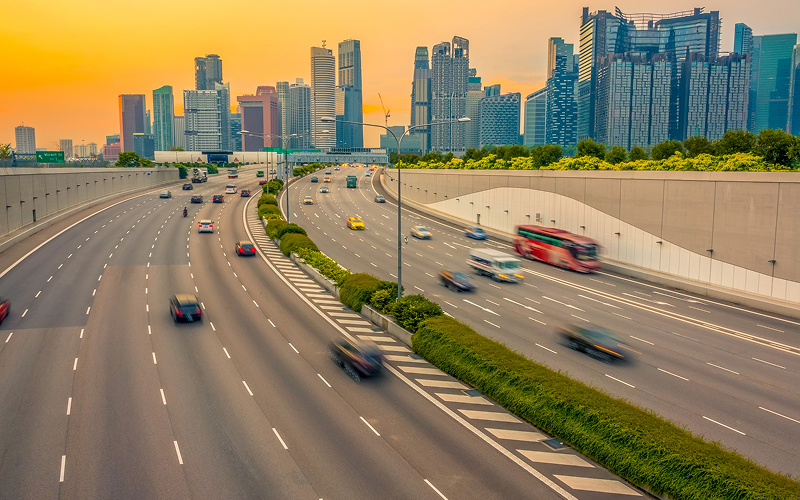
Singapore Driving: Tips for New Drivers Navigating Expressways Like PIE and CTE
Key Takeaways
- Driving in Singapore requires adapting quickly from low-speed neighbourhood roads to high-speed expressways.
- Confidence in slip road entry in Singapore comes from matching traffic flow.
- Safe lane changing in Singapore depends on early signalling, awareness of blind spots, and decisiveness.
- Expressway exit planning helps reduce last-minute manoeuvres and unnecessary stress.
- Consistency, anticipation, and calmness matter more than speed when navigating PIE and CTE.
The Experience of Driving in Singapore
Driving in Singapore is often characterised by structure, predictability, and a strong emphasis on rules. Roads are clearly marked, traffic systems are well organised, and most neighbourhood routes operate at relatively controlled speeds. For many new drivers, this creates a sense of comfort early on, where driving feels manageable and routine.
At the same time, manoeuvring the roads in Singapore requires constant awareness. Traffic density can change quickly, junctions are frequent, and drivers are expected to respond decisively while maintaining lane discipline. Even on familiar routes, anticipating the behaviour of other road users plays a key role in staying safe and composed behind the wheel.
As drivers grow more comfortable, the next step often involves transitioning onto expressways such as the PIE and CTE, where these same fundamentals are applied within a faster, more demanding environment, alongside their own driving etiquette and regulations.
Entering Expressways: Merging Confidently Through Slip Roads
One of the most challenging aspects of driving in Singapore is merging from a slip road onto an expressway. A slip road is a short, curved connecting lane that branches off from or joins a main road, usually marked by a tapering lane, directional arrows, and chevron markings that guide vehicles in or out of the expressway.
They are designed to:
- Keep traffic flowing without sudden stops
- Give drivers space to adjust speed
- Reduce congestion at entry and exit points
The concept of slip road entry in Singapore is designed to help drivers accelerate and blend into traffic smoothly. However, hesitation often creates more risk, especially when your movements become unpredictable to other road users. For new drivers, understanding how to use a slip road properly is important, especially when merging into fast-moving traffic or preparing to exit safely.
Common Mistakes
- Slowing down and accelerating hesitantly, becoming unpredictable
- Entering traffic at a much lower speed than the surrounding vehicles
- Signalling too late, leaving other drivers little time to react
Practical Awareness Tips
- Build speed progressively along the acceleration lane
- Signal early to communicate your intent clearly
- Look ahead for gaps in traffic, not just at the car beside you
Expressways like PIE and CTE are designed to accommodate merging. A smooth entry depends on timing and decisiveness. There is usually no need to rush or force your way in.
For new drivers, starting with the right vehicle can also make a difference. A stable, well-sized option, such as an MPV in Singapore, offers good height and visibility for slip roads.
Lane Discipline and Safe Lane Changing
Another key aspect of driving in Singapore is maintaining proper lane discipline. Expressways follow a keep-left-unless-overtaking principle, but newer drivers may remain in faster lanes out of uncertainty.
Common Mistakes
- Staying in the overtaking lane unnecessarily
- Drifting between lanes without a clear intention
- Ignoring blind spots during lane changes
Practical Awareness Tips
- Use the left or centre lanes for steady cruising
- Signal before changing lanes and commit smoothly
- Check mirrors and blind spots before every move
Good lane discipline reduces pressure from faster vehicles and creates a more predictable driving environment. If you are planning to buy a new car in Singapore, choosing a model with driver-assist features can also help ease the transition into expressway driving.
Managing Speed Without Pressure
Speed can feel intimidating when travelling on expressways. Some drivers become overly cautious, while others feel pressured to keep up with faster vehicles.
Common Mistakes
- Driving significantly below the traffic flow in the middle lanes
- Accelerating aggressively to match the surrounding vehicles
- Focusing on a single car instead of overall traffic patterns
Practical Awareness Tips
- Maintain a steady, legal speed aligned with traffic conditions
- Prioritise smooth acceleration and braking
- Keep a safe following distance to allow reaction time
Consistency builds confidence. A stable driving rhythm helps you stay in control, even during busy periods such as holiday traffic or the after-work hour rush. For this reason, models like the Toyota Harrier are often preferred for their smooth handling and highway stability.
Planning Exits Early on PIE and CTE
Expressways like PIE and CTE serve multiple districts, with exits appearing in quick succession. Without proper expressway exit planning, newer drivers may react too late.
Common Mistakes
- Cutting across multiple lanes at the last minute
- Braking suddenly near exit points
- Relying only on navigation prompts
Practical Awareness Tips
- Familiarise yourself with your route before driving
- Move gradually towards the exit lane when signs appear
- Continue safely if you miss an exit rather than forcing a turn
Planning reduces sudden decisions and helps maintain smoother traffic flow.
Staying Calm in Tunnels and Congestion
The CTE includes tunnel sections where lighting, sound, and spacing can feel different. Combined with peak-hour congestion, this can increase anxiety when driving in Singapore.
Common Mistakes
- Braking abruptly in tunnels
- Overreacting to minor slowdowns
- Following too closely in heavy traffic
Practical Awareness Tips
- Maintain a consistent following distance
- Avoid sudden steering or braking inputs
- Focus on overall traffic movement rather than individual cars
Driving in tunnels and heavy traffic requires more composure than technical skill.
Driving on Expressways Gets Easier With Time
For many new drivers, the first few experiences on expressways like the PIE and CTE can feel intense. The pace is quicker, decisions need to be made earlier, and traffic behaviour may seem less predictable compared to neighbourhood roads. This initial discomfort is completely normal.
What matters is not getting everything perfect from the start, but gradually becoming more familiar with how expressway traffic moves. With time, merging becomes more intuitive, lane changes feel more controlled, and exit planning becomes second nature. Small improvements in awareness and confidence add up quickly with regular exposure.
If you are still building confidence, it can help to drive with an experienced driver in the passenger seat. Having someone guide you through merging, lane positioning, and traffic flow in real time can make the learning process feel more manageable and less overwhelming.
You may also consider starting with off-peak driving hours or shorter expressway routes before progressing to busier periods. Staying consistent, patient, and attentive will help you develop a steady rhythm behind the wheel.
Being on the roads of Singapore is designed to be structured and manageable. With the right mindset, support, and gradual experience, expressway driving becomes less about reacting to pressure and more about moving with the flow of traffic comfortably and safely.
Building Confidence Through Familiarity
Driving in Singapore becomes more manageable with repeated exposure. Over time, patterns on expressways like PIE and CTE become easier to anticipate, and decisions feel more natural.
Start with quieter periods or shorter routes and slowly ease the transition. Familiarity brings confidence.
Over time, you will build muscle memory for expressway driving and move predictably with the flow of traffic.
At Venture Cars, we work with drivers at every stage of their journey. Whether you are exploring your first vehicle or looking for something that feels more stable on expressways, our team helps you match your driving needs with practical, long-term solutions. Reach out to us to explore options that support your confidence on Singapore roads.
